Automobile Insurance
The Ultimate Guide to Automobile Insurance: Protecting Your Ride and Your Wallet
Automobile insurance, often called car insurance, is a critical safeguard for vehicle owners, providing financial protection against accidents, theft, and other road-related mishaps. In an era where traffic congestion and distracted driving are on the rise, understanding your options can save you thousands. This guide dives deep into the essentials, with unique insights on emerging trends like usage-based insurance and telematics, helping you make informed decisions tailored to your lifestyle.
Why You Need Automobile Insurance
Driving without insurance isn't just risky—it's illegal in most states. Beyond legal requirements, it shields you from costly liabilities. For instance, a single accident can lead to medical bills exceeding $100,000, as per the National Highway Traffic Safety Administration (NHTSA). Full coverage ensures you're protected, whether you're at fault or not. Unique fact: In 2023, uninsured motorist claims cost U.S. drivers over $10 billion annually, highlighting the importance of comprehensive policies.
Key Types of Automobile Insurance Coverage
Not all policies are created equal. Here's a breakdown of the main types, with tips on when each shines:
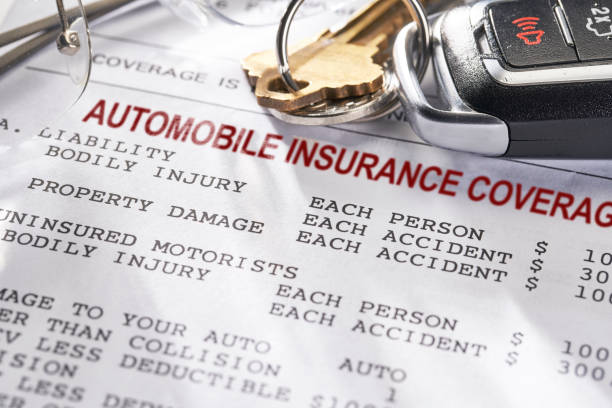
Liability Insurance: Covers damages or injuries you cause to others. It's mandatory in 49 states (New Hampshire is the exception). Opt for higher limits (e.g., 100/300/100) to avoid out-of-pocket expenses.
Collision Coverage: Pays for repairs to your vehicle after an accident, regardless of fault. Ideal for newer cars, as it protects against depreciation.
Comprehensive Coverage: Handles non-collision incidents like theft, vandalism, or weather damage. Essential in areas prone to hailstorms or urban theft.
Personal Injury Protection (PIP) and Uninsured/Underinsured Motorist Coverage: PIP covers your medical costs in an accident, while uninsured motorist coverage protects against drivers with no or minimal insurance. These are must-haves in no-fault states like Florida or New York.
Unique angle: With the rise of electric vehicles (EVs), specialized EV insurance is emerging, covering battery failures and charging station incidents—something traditional policies often overlook.
Factors That Influence Your Premiums
Insurance rates aren't arbitrary; they're calculated based on risk. Understanding these can help you negotiate better rates:
Driving Record: A clean record slashes costs by up to 40%, per the Insurance Information Institute. Speeding tickets or accidents can hike premiums by 20-50%.
Age and Gender: Young drivers (under 25) pay more due to inexperience, while seniors might see increases from health-related risks. Women often get lower rates than men, though this is changing with gender-neutral laws.
Vehicle Type and Location: Sports cars or high-performance models cost more to insure. Urban dwellers face higher rates due to traffic density, while rural areas offer savings.
Credit Score and Mileage: Good credit correlates with lower premiums. Low-mileage drivers save with discounts, and usage-based insurance (UBI) tracks your driving via apps for personalized rates.
Pro tip: Bundle policies (e.g., auto with home insurance) can yield 10-20% savings through multi-policy discounts.
How to Choose the Best Automobile Insurance Policy
Selecting the right policy involves research and comparison. Follow these steps for a tailored fit:
Assess Your Needs: Evaluate your driving habits, vehicle value, and state requirements. Use online calculators from sites like Progressive or Geico for estimates.
Compare Quotes: Get at least three quotes from providers like State Farm, Allstate, or Esurance. Look for unique perks, such as roadside assistance or rental reimbursement.
Check Reviews and Ratings: Sites like J.D. Power rank insurers on customer satisfaction. Avoid companies with frequent complaints for fraud or poor claims handling.
Consider Discounts: Maximize savings with safe driver, multi-vehicle, or student discounts. Emerging options include eco-friendly discounts for hybrids or EVs.
Unique trend: Telematics devices, like those from Metromile, monitor real-time driving data, offering up to 30% discounts for safe habits—perfect for tech-savvy drivers.
Common Myths and Mistakes to Avoid
Don't fall for these pitfalls:
Myth: Full Coverage is Always Best: It's overkill for older cars; stick to liability if your vehicle is worth less than $5,000.
Mistake: Underestimating Deductibles: High deductibles lower premiums but increase out-of-pocket costs—balance them wisely.
Myth: All Insurers Are the Same: Policies vary; read the fine print to avoid surprises during claims.
The Future of Automobile Insurance
Innovation is reshaping the industry. Autonomous vehicles may reduce accidents, lowering rates, while AI-driven claims processing speeds up settlements. Stay ahead by opting for digital policies that integrate with apps for seamless management.
In summary, automobile insurance is about more than compliance—it's about peace of mind. By understanding coverage types, influencing factors, and smart selection strategies, you can secure the best protection without breaking the bank. Shop around, review your policy annually, and drive safely to keep premiums in check. For personalized advice, consult a licensed agent.
'insurance' 카테고리의 다른 글
| Insurance Brokers (1) | 2025.06.27 |
|---|---|
| Commercial insurance (0) | 2025.05.05 |
| 9/11 Insurance Claims (0) | 2025.01.28 |
| American Family Insurance (0) | 2025.01.12 |
| Public Liability Insurance (1) | 2024.11.18 |


